

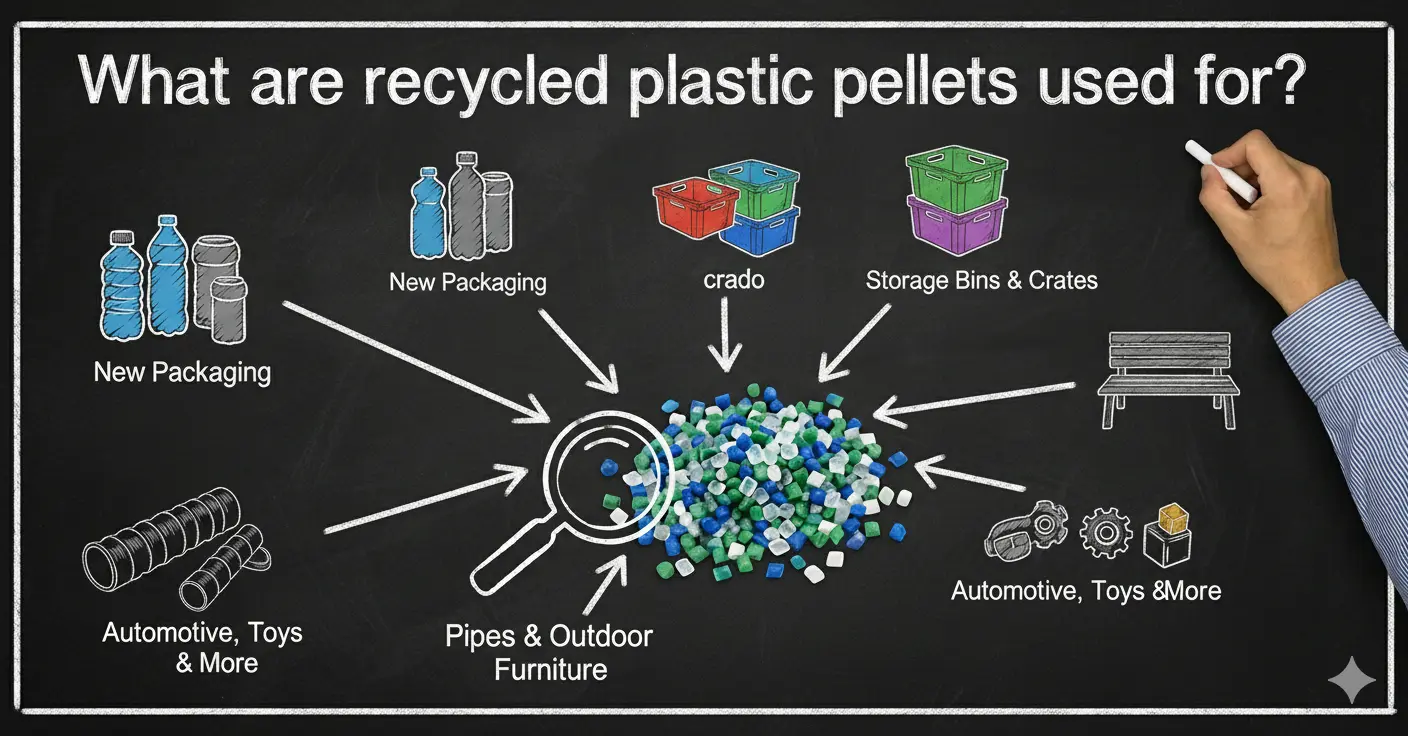
What are recycled plastic pellets used for? Recycled plastic pellets are widely used as raw materials in modern plastic manufacturing. These pellets are produced from processed plastic waste and transformed into uniform, reusable granules suitable for industrial applications. Today, recycled plastic pellets play a critical role in reducing environmental impact while maintaining cost efficiency and performance in plastic production.
Manufacturers across the world rely on recycled plastic pellets as an alternative to virgin polymers in applications such as injection molding, blow molding, extrusion, and film production. Their versatility makes them essential in multiple industries, including packaging, automotive, construction, agriculture, and consumer goods.
Injection molding applications
Injection molding is one of the most common uses of recycled plastic pellets.
Recycled pellets are used to produce:
- household products
- plastic containers
- caps and closures
- storage boxes
- automotive interior parts
- electrical enclosures
Recycled polypropylene and HDPE pellets are especially suitable for injection molding due to their stable flow properties and mechanical strength. Manufacturers often customize melt flow index values to match mold design and cycle times.
Blow molding applications
Blow molding is another major application for recycled plastic pellets.
They are used to manufacture:
- plastic bottles
- oil and lubricant containers
- detergent and chemical packaging
- cosmetic containers
- industrial drums
Recycled HDPE pellets are commonly used in blow molding because of their impact resistance, durability, and chemical stability. These pellets help manufacturers reduce raw material costs while maintaining product performance.
Extrusion and plastic film production
Recycled plastic pellets are widely used in extrusion processes.
Applications include:
- plastic films
- shopping bags
- garbage bags
- agricultural sheets
- protective packaging films
Recycled LDPE and LLDPE pellets are preferred for film extrusion due to their flexibility, tear resistance, and ease of processing.
Packaging industry uses
The packaging industry is one of the largest consumers of recycled plastic pellets.
Recycled pellets are used in:
- rigid packaging
- flexible packaging
- food and non-food containers
- transport packaging
Using recycled pellets helps packaging manufacturers meet sustainability regulations and reduce environmental footprint.
Automotive industry applications
The automotive industry uses recycled plastic pellets in various components.
Typical applications include:
- interior panels
- trims and covers
- battery housings
- cable protection components
Recycled polypropylene pellets are widely used due to their lightweight properties and durability.
Construction and infrastructure uses
Recycled plastic pellets are increasingly used in construction-related products.
Applications include:
- plastic pipes and fittings
- insulation materials
- plastic profiles
- drainage components
These pellets provide strength, weather resistance, and long service life.
Agricultural applications
In agriculture, recycled plastic pellets are used for:
- irrigation pipes
- greenhouse films
- mulch films
- crop protection sheets
Their durability and cost efficiency make them suitable for large-scale agricultural use.
Household and consumer products
Recycled plastic pellets are used to produce:
- buckets
- baskets
- furniture
- storage containers
- toys
- cleaning tools
These products benefit from the flexibility and strength of recycled polymers.
Environmental benefits of using recycled plastic pellets
Using recycled plastic pellets offers significant environmental advantages.
Waste reduction
Recycling plastic waste into pellets reduces landfill usage and ocean pollution.
Lower carbon footprint
Recycled pellets require less energy than virgin plastic production.
Resource conservation
They reduce dependence on fossil-based raw materials.
Economic advantages for manufacturers
Manufacturers choose recycled plastic pellets because they offer:
- lower raw material costs
- stable supply
- reduced price volatility
- compliance with sustainability standards
These advantages improve long-term production planning.
How manufacturers choose the right recycled plastic pellets
Selecting the right recycled pellets depends on:
- application requirements
- processing method
- mechanical performance needs
- color and appearance
- supplier reliability
Quality testing and technical data sheets are essential to ensure suitability.
The role of recycled plastic pellets in the circular economy
Recycled plastic pellets are a key component of the circular economy. They allow plastics to be reused multiple times, extending material life cycles and supporting sustainable manufacturing systems.
Governments and industries worldwide encourage the use of recycled pellets to reduce environmental impact and promote responsible production.
Conclusion
Recycled plastic pellets are used across nearly every sector of the plastic industry. From packaging and automotive parts to agriculture and construction materials, they offer a sustainable, cost-effective, and versatile alternative to virgin plastics. As environmental awareness and regulations continue to grow, recycled plastic pellets will remain essential for the future of plastic manufacturing.
FAQs About What are recycled plastic pellets used for?
What are plastic pellets used for?
Plastic pellets are used as raw materials to manufacture plastic products such as packaging, bottles, pipes, films, containers, automotive parts, household goods, pallets, and construction materials through injection molding, extrusion, and blow molding.
How to use recycled plastic pellets?
Recycled plastic pellets are used in the same way as virgin plastic pellets. They are melted and processed in manufacturing machines to produce new plastic products, often blended with virgin materials to achieve specific quality or strength requirements.
What are the uses of recycled plastic granules?
Recycled plastic granules are used to make plastic bags, packaging films, crates, pallets, pipes, flower pots, furniture parts, automotive components, and various industrial and consumer products depending on the polymer type.
What are PVC pellets used for?
PVC pellets are used to produce pipes, window frames, cable insulation, flooring, medical tubing, profiles, sheets, hoses, and construction materials due to their durability and chemical resistance.
Why don’t we use plastic pyrolysis?
Plastic pyrolysis converts plastic into fuel rather than reusable plastic material. It is expensive, energy-intensive, and does not support circular recycling, which is why mechanical recycling is preferred for producing pellets.
How many plastic bottles do you need to make $100?
The number depends on local recycling prices and bottle weight. On average, it may take several thousand PET bottles to reach $100, as individual bottles usually have very low recycling value.
How many plastic bottles does it take to make $20?
Typically, it can take hundreds to over a thousand plastic bottles to make $20, depending on regional recycling rates, bottle size, and market demand for recycled PET.
What is the market for plastic pellets?
The plastic pellet market includes packaging manufacturers, injection molding factories, construction material producers, automotive suppliers, consumer goods manufacturers, and recycling companies worldwide.
What to do with empty pellet bags?
Empty pellet bags can be reused for storage, returned to suppliers, recycled as plastic waste, or repurposed for industrial packing, waste collection, or logistics applications.
Are Coca-Cola bottles really 100% recycled?
Some Coca-Cola bottles are made from 100% recycled PET in certain markets, but this is not universal. The percentage depends on regional recycling infrastructure and regulations.
What are black plastic pellets used for?
Black plastic pellets are commonly used for products where color consistency is not critical, such as pallets, crates, pipes, containers, automotive parts, and industrial components. They often contain recycled material.
Can plastic be melted and remolded?
Yes, most thermoplastics such as PP, HDPE, LDPE, PET, and PVC can be melted and remolded multiple times, which makes them suitable for recycling.
What can you do with plastic pellets?
Plastic pellets can be melted and shaped into new products, used in manufacturing processes, blended with additives or virgin plastics, or supplied as raw material to factories.
What is another name for plastic pellets?
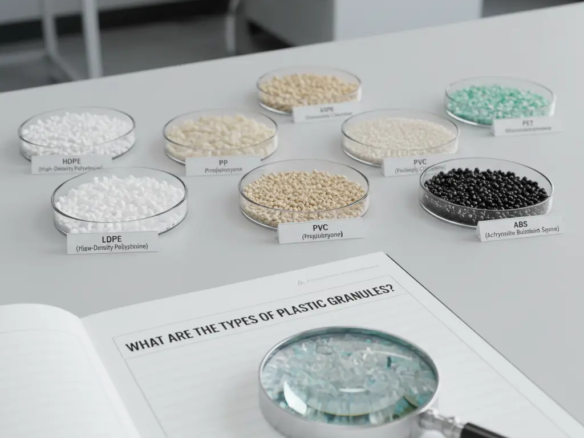
Plastic pellets are also called plastic granules, resin pellets, polymer pellets, or plastic beads. All terms refer to the same basic raw material form.
How to melt PVC pellets?
PVC pellets are melted using controlled heating in extrusion or injection machines. Precise temperature control is essential because PVC can degrade if overheated, so stabilizers are usually added during processing.
Polypropylene granules in UAE are the perfect choice for industries seeking high-quality, affordable, and sustainable raw materials. With the UAE’s growing position as a global petrochemical hub, investing in polypropylene is a strategic move that ensures competitiveness in international markets.
We invite you to explore Alarkan Plastic’s wide range of high-quality polypropylene and polyethylene granules.
Our innovative and recycled solutions are designed to support your industries with efficiency and competitive pricing.
Contact us today to learn more about our products or request a customized quotation.
We are here to serve your industrial needs.


Join The Discussion